

Perspective: What My Clients Need to Know About Job Scams
Career

I wanted to write an epilogue-type article for this week as a follow-up to last Friday’s LinkedIn Live with career services providers. All participants are highly committed to their clients’ safety and to protecting personally identifying information. I’m honored that they all agreed and contributed to the discussion on how to optimize opportunities to learn and to turn around and teach others.
Many of my subscribers are resume writers, recruiters, career coaches, workforce connection government workers, and college career service providers. Hopefully, all participants offer their clients some job scam defense system.
The Panel
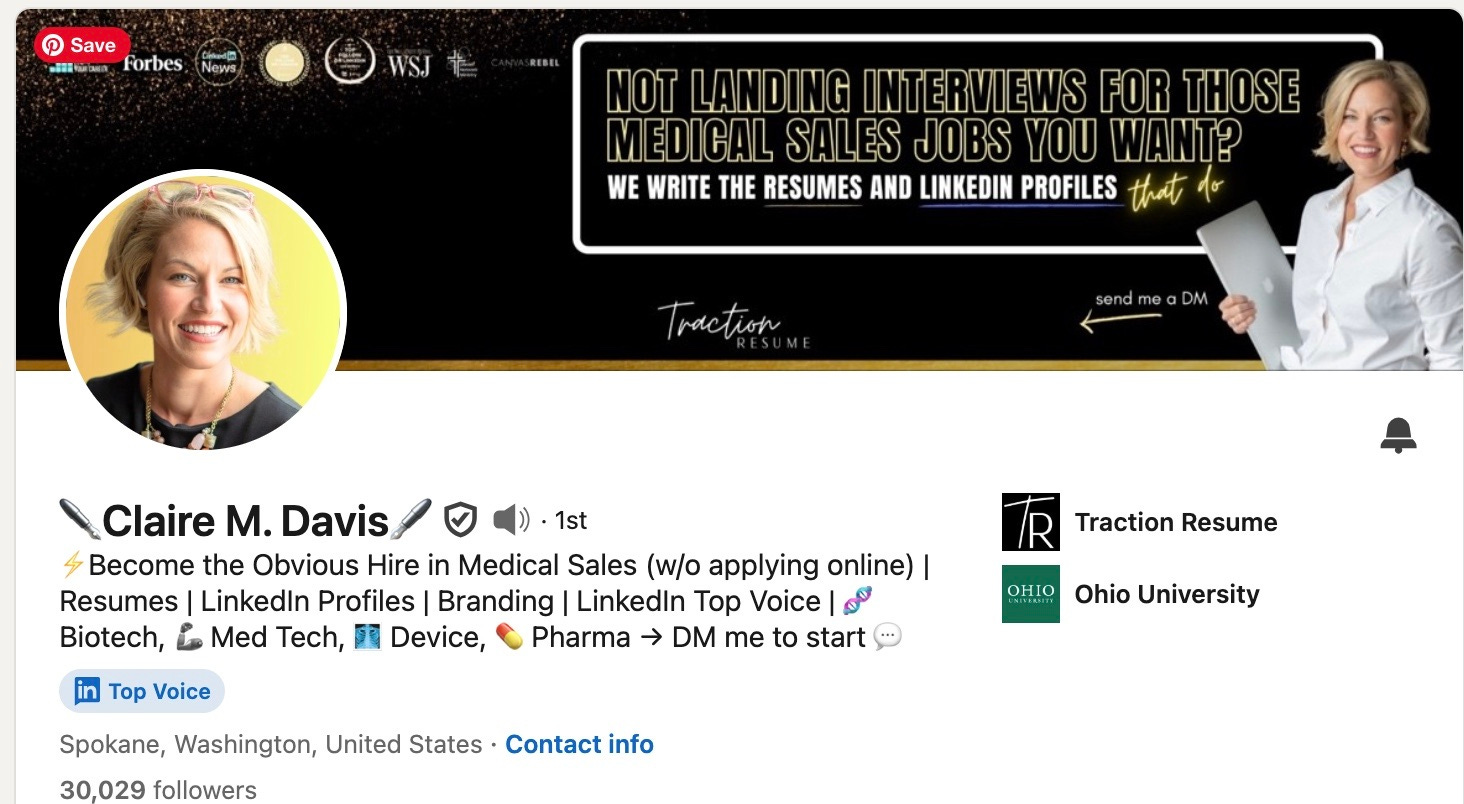
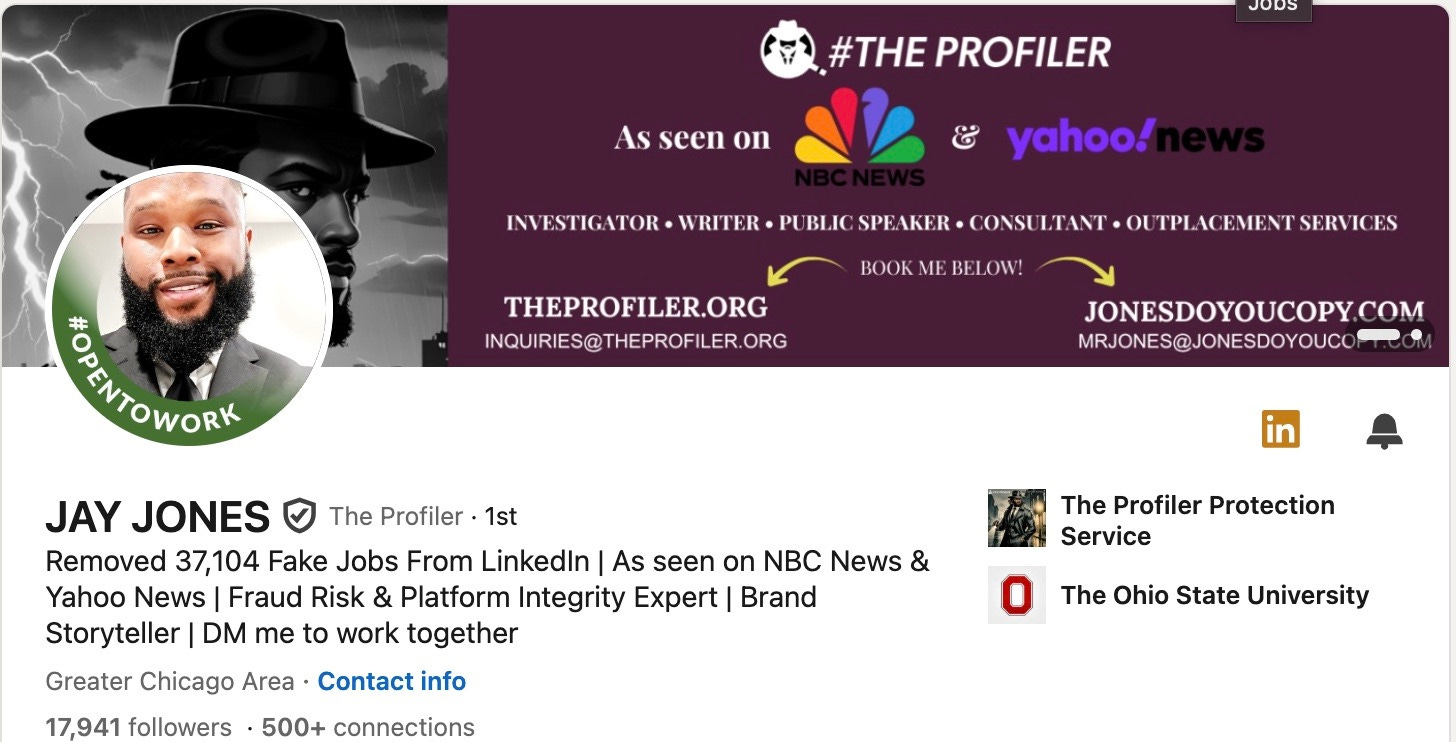
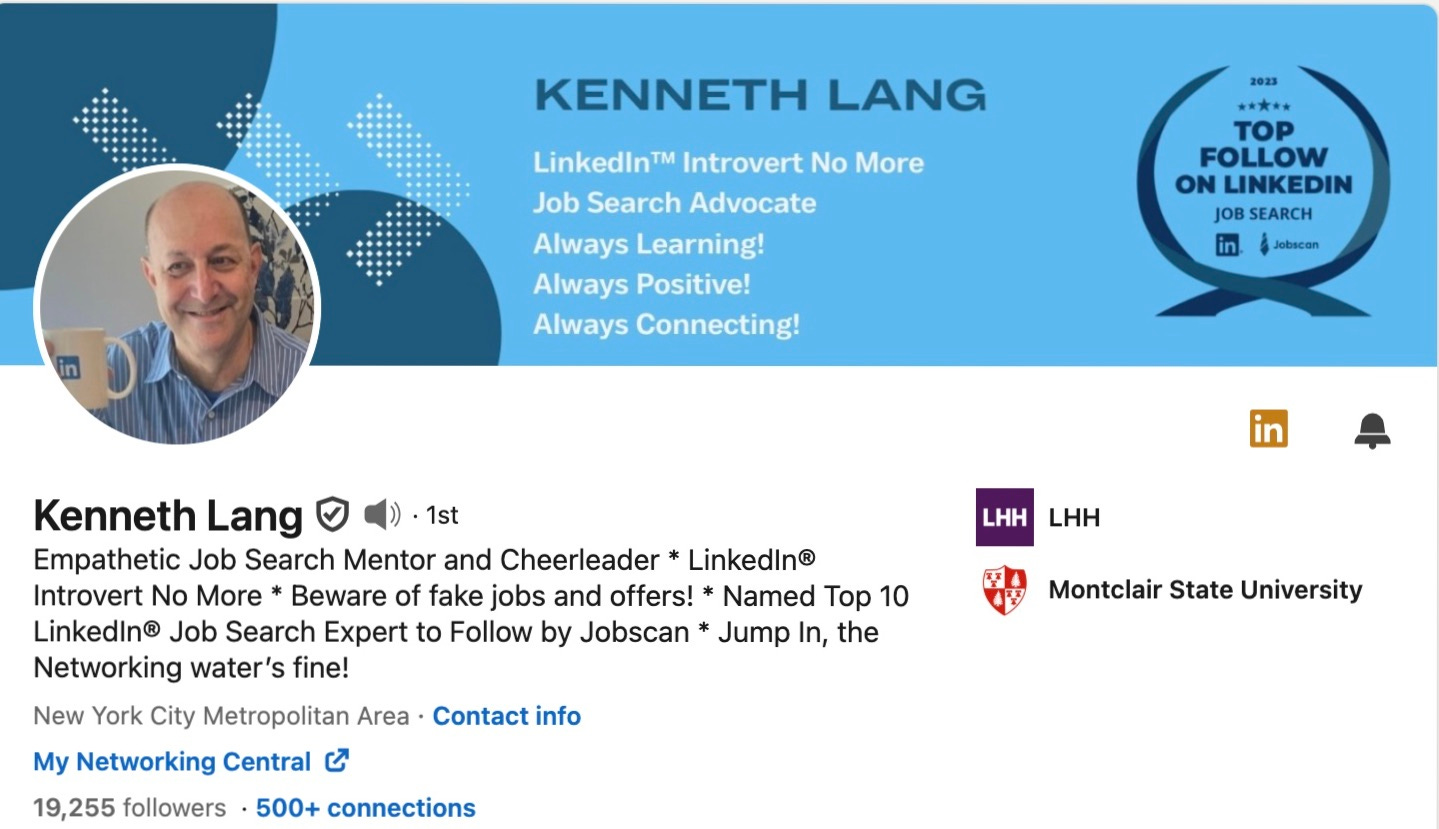
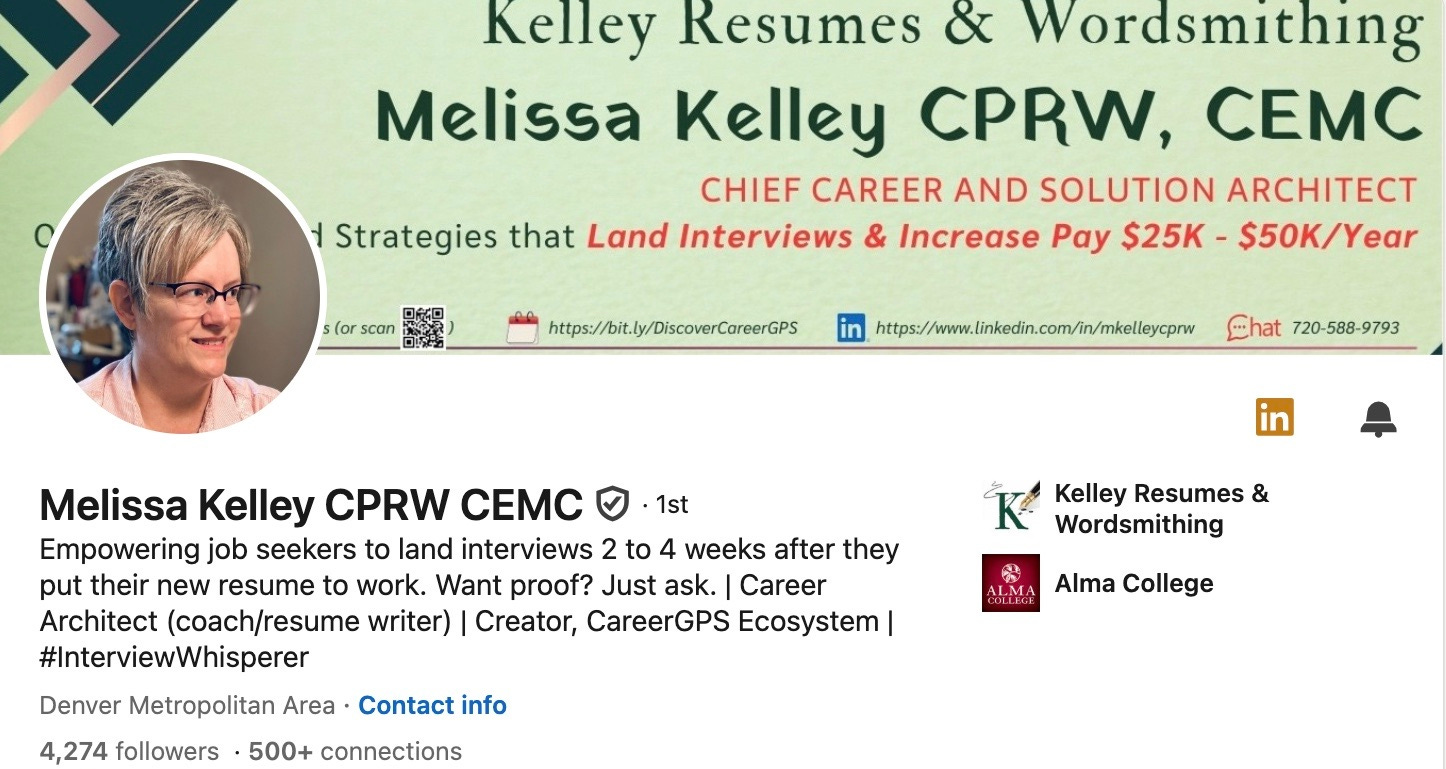
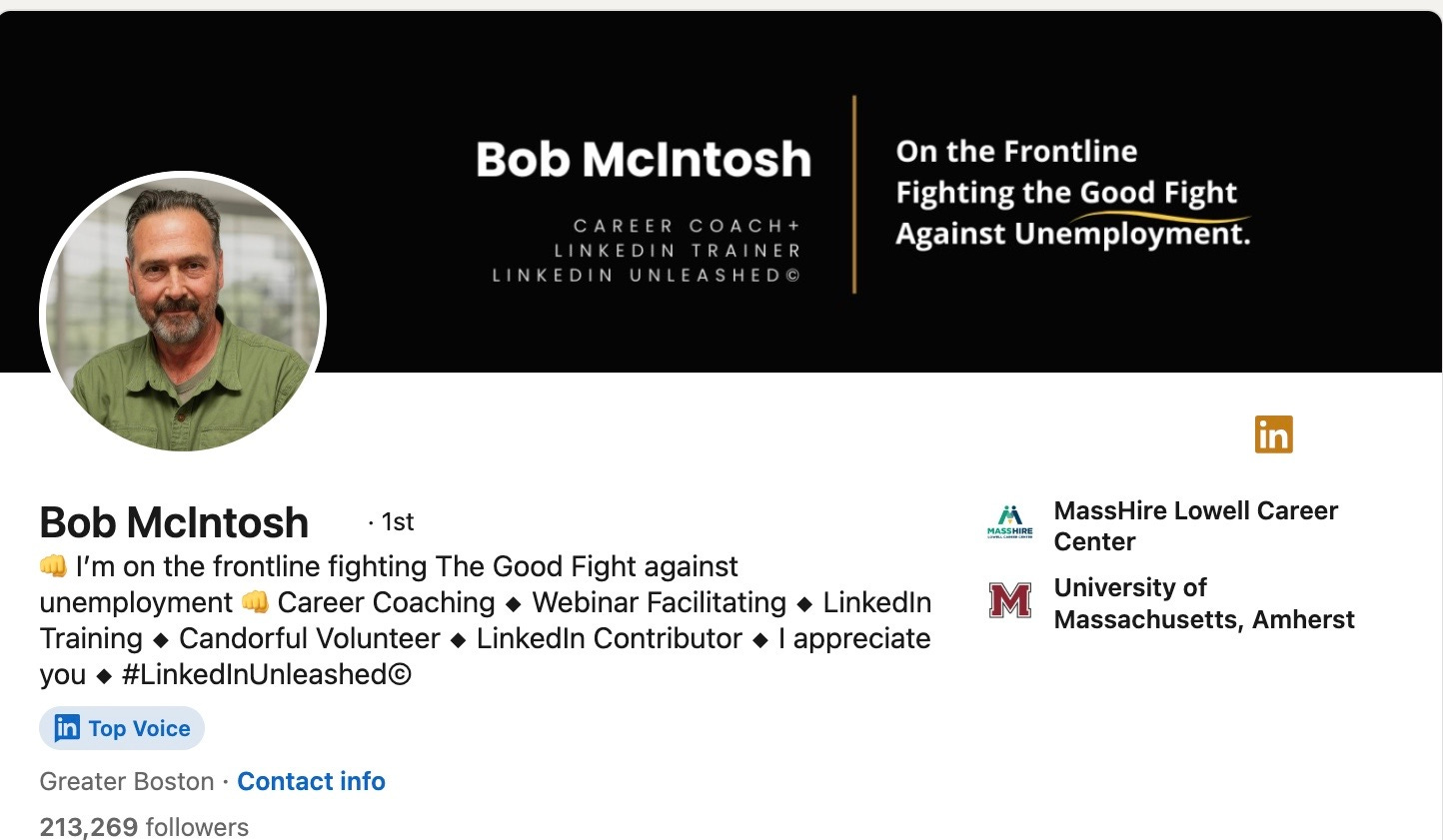
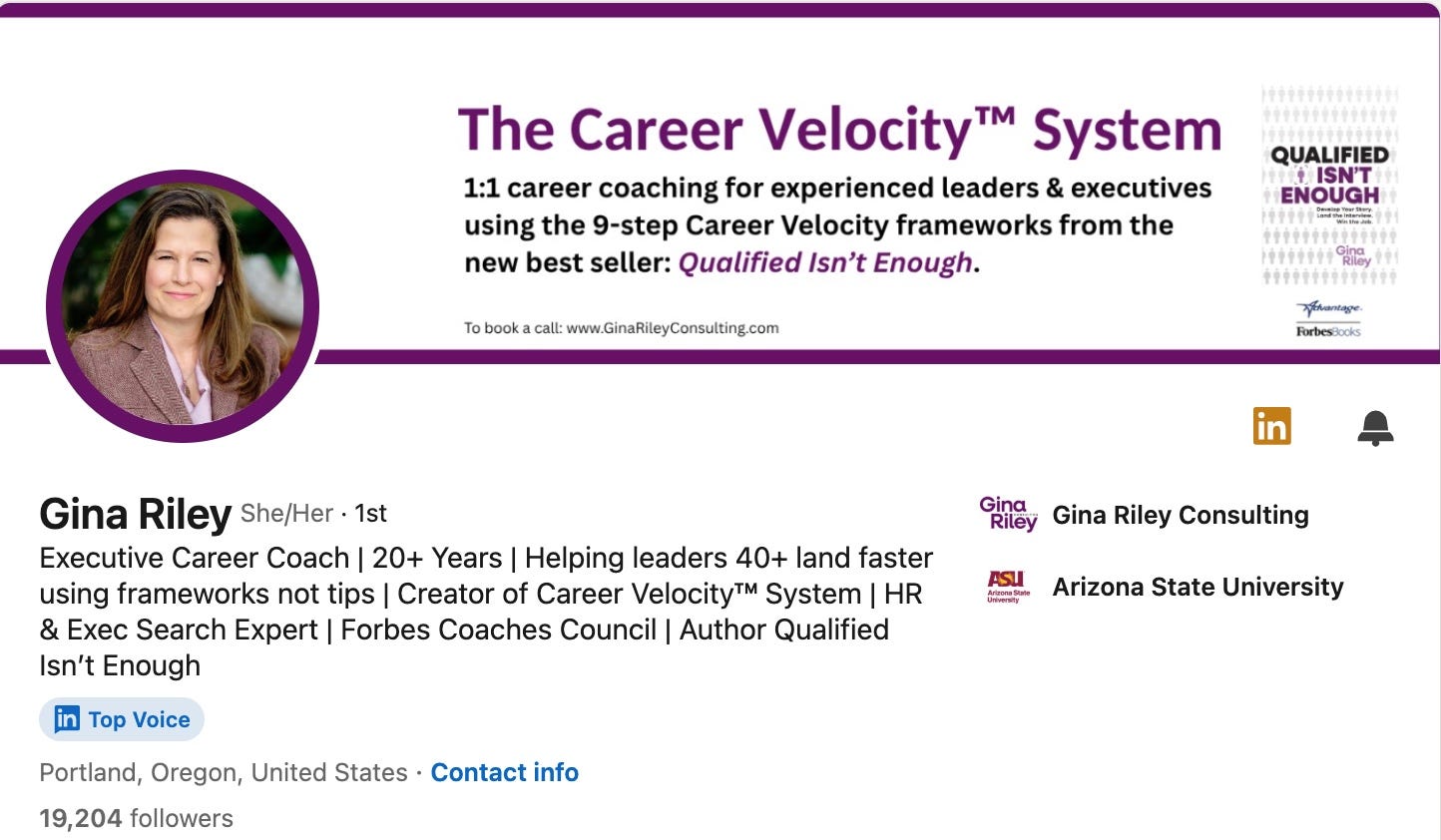
Stolen content, reputation, and services.
Some of the panelists, specifically Gina, have had their online presence and reputation spoofed by bad actors to lure them to schemes. It was brought to her attention by clients and a colleague. Bad actors steal their content, likeness, and credentials to use on other platforms (like Fiverr) or to create fraudulent websites. They will block the practitioner’s LinkedIn profile, preventing the originator and the network from seeing their activity.
What is evident is the need for both job seekers and career service providers to audit their reputations regularly. Most use Google Alerts, but few, if any, use Talkwalker, an alternative. After ten years of using both, I have found that Talkwalker consistently picks up my name and detects mentions of my brand when Google Alerts doesn’t.
The panel of resume writers agreed that their legitimate resume samples, often those submitted for industry awards, are used to promote fraudulent resume services.
Directly applying and networking.
The panel agreed that applying directly through the employer’s official website is safer and more effective. Some panelists stated that they discourage the use of job boards. Networking and referrals reduce the risk of job scams, especially from people we know. Claire reported that nearly 100% of her clients secure jobs through referrals. The landing time is shorter and safer than reliance on job boards.
Hyper-vigilance is needed.
Treat unsolicited job messages with the same suspicion as a text or email from a bank asking for approval. Verify everyone and everything before taking action. Melissa mentioned she recommends using reverse image search on a potentially fake profile. Bad actors steal and reuse photos of anyone, including celebrities, to create fake LinkedIn profiles.
Please look for a February discussion with additional career services professionals to discuss additional preventive measures.
Here’s the entire show
Need help keeping your private information safe?

I wanted to ensure that the companies I partner with for ‘The Job Scam Report’ were a good fit. The FBI reports Americans are losing significantly more to cybercrime than home burglaries, with digital crime financial losses reaching approximately $12.5 billion in 2023 alone.
Job search strategy and safety should be top of mind for all job seekers.
I’m happy to announce that Aura’s All-in-One Online Safety is an affiliate of “The Job Scam Report.” It’s powered by AI to proactively help protect your identity, finances, and devices. With $1M Identity Theft Insurance and 24/7, U.S.-based expert support, you can job search with little worry of protecting your computer and personal information.